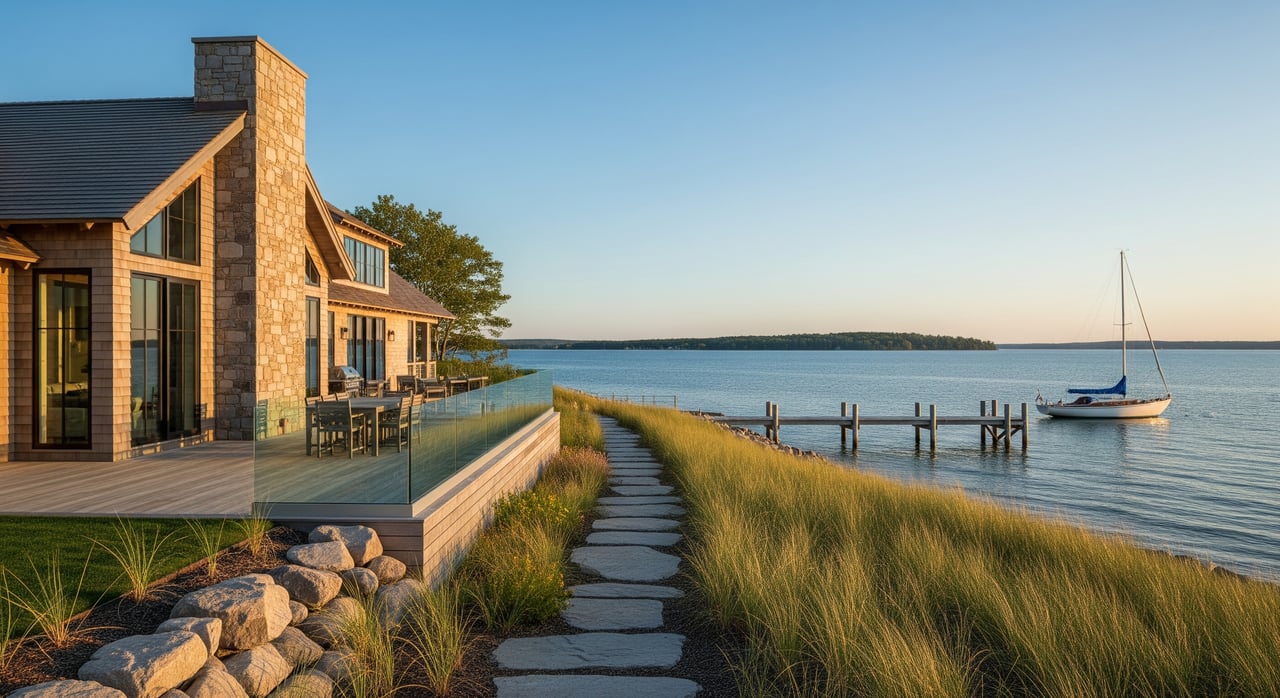
Picture your mornings on the water in Leland, coffee in hand and boat at the ready. Now picture a surprise permit requirement, a shallow dock, or an unplanned assessment changing your plans. If you are buying waterfront in Leland, a focused checklist can save you time, money, and stress. In this guide, you will learn the key questions to ask, the records to request, and the local experts who can help you close with confidence. Let’s dive in.
Frontage and water rights in Leland
Waterfront terms can be confusing, but the practical goal is simple. You want to know where your property rights begin and end, and what you are allowed to do on the water. In Leland, water frontage may be on Lake Leelanau, along the Leland River near Fishtown, or on the Lake Michigan shoreline. Each has different historic uses and approval layers.
Start with the recorded deed and any easements or plat restrictions. Look for language about access rights, dock use, or shared common areas. A recent boundary survey should show lot corners, the mean high-water line, and any encroachments. If you are part of a subdivision or association, review the CC&Rs and any shared dock agreements. County parcel maps and GIS layers can help you visualize boundaries along the shoreline.
Waterfront conditions and boating
The feel of your shoreline influences how you live and play on the water. Natural, vegetated banks look and function differently than riprap, seawalls, or dunes. Bottom conditions matter too. Sand, rock, muck, and weed beds each affect swimming, anchoring, and the type of dock that works best.
Depth is a key variable. Water depth at the end of a typical dock location and along the access channel needs to match your boat’s draft, even at seasonal low water. Ice can heave, shift, and damage structures, so plan for removal or protective strategies. On the Leland River, narrower channel sections and low-clearance points can limit vessel size. On Lake Michigan, nearshore shoals and lake-wide level cycles add another layer of planning.
For practical intel, use inland lake bathymetry maps for Lake Leelanau, nautical charts for Lake Michigan, and speak with local marinas or marine contractors. Choose dock types that fit site realities. Floating docks perform differently than fixed-pile docks in depth, wave, and ice conditions.
Permits and local rules
Work in or near the water often requires permits. State reviews apply to projects in Great Lakes bottomlands, wetlands, and shoreland zones. Inland lake projects follow different rules than Great Lakes shoreline work. Federal review can apply if navigable waters or federal wetlands are affected. Local rules add another layer, including zoning, setbacks, soil erosion, and driveway permits.
Associations may set rules on dock size, number of slips, wake or noise limits, and short-term rentals. Some areas use special assessments to fund lake improvements, invasive species treatments, or shoreline stabilization. All of this can affect your plans and ongoing costs.
Before you assume anything is grandfathered, verify what exists today, what was permitted, and what would be required for changes. When in doubt, ask the township zoning office and the county planning and health departments to confirm.
Seasonal, infrastructure, and environment
Your due diligence should go beyond the shoreline. Many Leland waterfront homes rely on private septic systems and wells. Confirm the system type, age, and service history, and review well logs and water quality tests. Setbacks to water bodies are regulated and can affect replacement options.
If you plan year-round use, confirm road access and winter plowing responsibility. Map out utilities, including power service type and broadband availability, and plan for propane or other deliveries. Insurance and building plans can be shaped by floodplain status and erosion risk. Inland lakes can experience nuisance algae at times, and both inland and Great Lakes waters may have invasive species that affect use and maintenance. Check recent advisories and reports when available.
The 12 questions to ask before you buy
1) Who actually owns the shoreline and bottomlands here?
Why it matters: Ownership and deed language determine where your rights end, if you can place a dock, and whether access is exclusive or shared. In Leland, frontage may be fee simple, via an easement, or as part of an association.
- Documents to request:
- Full recorded deed and any easements or plat restrictions
- Certified boundary survey showing the mean high-water line
- County GIS parcel map for a visual boundary check
2) Is the existing dock, lift, or seawall permitted and to code?
Why it matters: Unpermitted structures can trigger costly removal, fines, or delays. Code-compliant work avoids surprises during resale or future upgrades.
- Documents to request:
- Copies of permits and approvals for dock, lift, or shoreline work
- Contractor invoices, photos, and inspection records
- Any maintenance or repair history
3) What is the shoreline type and bottom substrate off this property?
Why it matters: Sand, rock, muck, or vegetation affect swimming feel, anchoring, and dock design. Soft bottoms may need special foundations. Rocky areas can limit swim entry but aid pile support.
- Documents to request:
- Bathymetry map excerpt and site photos
- Notes from a marina or marine contractor
- If needed, a brief diver or contractor substrate report
4) How deep is the water at low levels at the dock and along the access route?
Why it matters: Seasonal lows and shoaling can limit boat size, draft, and reliability of access. River narrows and bridges can add constraints.
- Documents to request:
- Inland lake maps or recent depth soundings
- Marina or marine contractor confirmation of usable depths
- Photos or logs from prior seasons
5) Are there rules on boat size, horsepower, or wakes?
Why it matters: Lake rules, township ordinances, or association bylaws can limit vessel length, motor type, or wake zones, shaping how you use the water.
- Documents to request:
- HOA or lake association rules
- Township ordinances and posted lake regulations
- Any shared-dock or slip-use agreements
6) Are there special assessments or lake improvement districts affecting costs?
Why it matters: Ongoing assessments for invasive species control, dredging, or shoreline work become part of your budget and can signal upcoming projects.
- Documents to request:
- County treasurer tax and assessment records
- Township or lake association meeting minutes
- Assessment roll and notices of pending projects
7) What permits are required for new docks, lifts, shoreline armor, or vegetation work?
Why it matters: Timelines and costs vary by waterbody and project type. Rules differ for inland lakes versus Lake Michigan shoreline.
- Documents to request:
- Permit history for the parcel
- Current state, county, and township permit requirements
- Any prior correspondence with permitting agencies
8) Is the parcel in a flood zone or erosion-prone area, and is there a flood or erosion history?
Why it matters: Floodplain status influences insurance and building options. Historic high-water events and coastal erosion shape long-term resilience.
- Documents to request:
- Flood maps and any local floodplain designations
- Elevation data, photos, or reports from high-water years
- Notes on past shoreline changes or repairs
9) What is the condition and capacity of the septic system and well?
Why it matters: Replacement can be expensive and regulated. Proximity to water raises scrutiny and sets strict setback and design requirements.
- Documents to request:
- Septic permits, maintenance records, and as-built or plot plan
- Well log, yield data, and recent water tests for bacteria and nitrates
- Any notices from the local health department
10) Are short-term rentals or other uses limited on this parcel?
Why it matters: Use rules affect your income plans and lifestyle. Restrictions may come from township ordinances or association bylaws.
- Documents to request:
- Short-term rental and zoning ordinances
- HOA bylaws and use restrictions
- Any existing permits or approvals tied to the property
11) Are there known environmental issues on the waterbody or parcel?
Why it matters: Invasive species, nuisance algae, or contamination can bring ongoing management costs and affect water use.
- Documents to request:
- Recent water quality and invasive species reports
- Lake association notes on monitoring and treatments
- Any advisories or testing results for the area
12) Who are the local experts I should call now?
Why it matters: A short, trusted team helps you confirm facts quickly and avoid costly assumptions. Local experience is invaluable in Leland’s layered regulatory setting.
- Contacts to line up:
- Licensed land surveyor for boundary and waterline verification
- Marine contractor or dock company for depth and dock options
- Septic inspector or sanitarian, and a licensed well contractor
- Township zoning staff and county planning and health departments
- A local real estate attorney for deed, easement, and association review
Local experts and public records
As you assemble your due diligence, it helps to organize who covers what. Here is a practical roadmap:
- Land surveyor: Confirms boundaries, encroachments, and the waterline location on your parcel.
- Marine contractor: Evaluates dock types, ice concerns, and installation costs for Lake Leelanau, the Leland River, or Lake Michigan.
- Septic and well pros: Inspect systems, pull records, and run water quality tests.
- Township and county offices: Clarify zoning, setbacks, road maintenance, and permit history.
- State agencies: Provide guidance on shoreline work, wetlands, and inland lake or Great Lakes rules.
- Flood and hazard maps: Verify floodplain status and consider elevation certificates if needed.
- Lake associations and conservancy groups: Offer context on lake health and management efforts.
Bring these contacts in early. Ask them to translate the recorded documents and maps into practical next steps, including budgets and timelines.
Summary
Buying waterfront in Leland is more than picking a view. You need to confirm who owns the shoreline, assess the bottom and depth, verify permits and association rules, and inspect critical systems like septic and wells. Seasonal realities, flood risk, and invasive species can also influence your experience and costs.
With a clear checklist and the right local team, you can buy with confidence and enjoy the water from day one. If you would like a guided plan tailored to your target shoreline, reach out to Team Shimek to schedule a free consultation.
FAQs
What records confirm my dock rights on a Leland waterfront purchase?
- Ask for the recorded deed, any easements or plat notes, the HOA or association rules if applicable, and a recent boundary survey showing the mean high-water line.
How can I verify usable boat depth on Lake Leelanau or the Leland River?
- Combine inland lake bathymetry maps or recent soundings with a site check from a local marina or marine contractor, and confirm depths at seasonal low water.
Which permits might I need for new shoreline work in Leland?
- Shoreline projects can require state-level approvals, plus county and township permits, with stricter thresholds on Lake Michigan than inland lakes.
What should I check on septic and well systems before closing on waterfront?
- Request septic permits and service records, well logs and water tests, and confirm setbacks and replacement options with the local health department.
How do I find out if there are special assessments on a Leland waterfront property?
- Review county treasurer records for assessments, check township or lake association meeting notes, and ask about any pending improvement projects.
Are short-term rentals allowed for Leland waterfront homes?
- Policies vary by township and association, so verify current ordinances and HOA bylaws, and confirm whether permits or registrations are required.