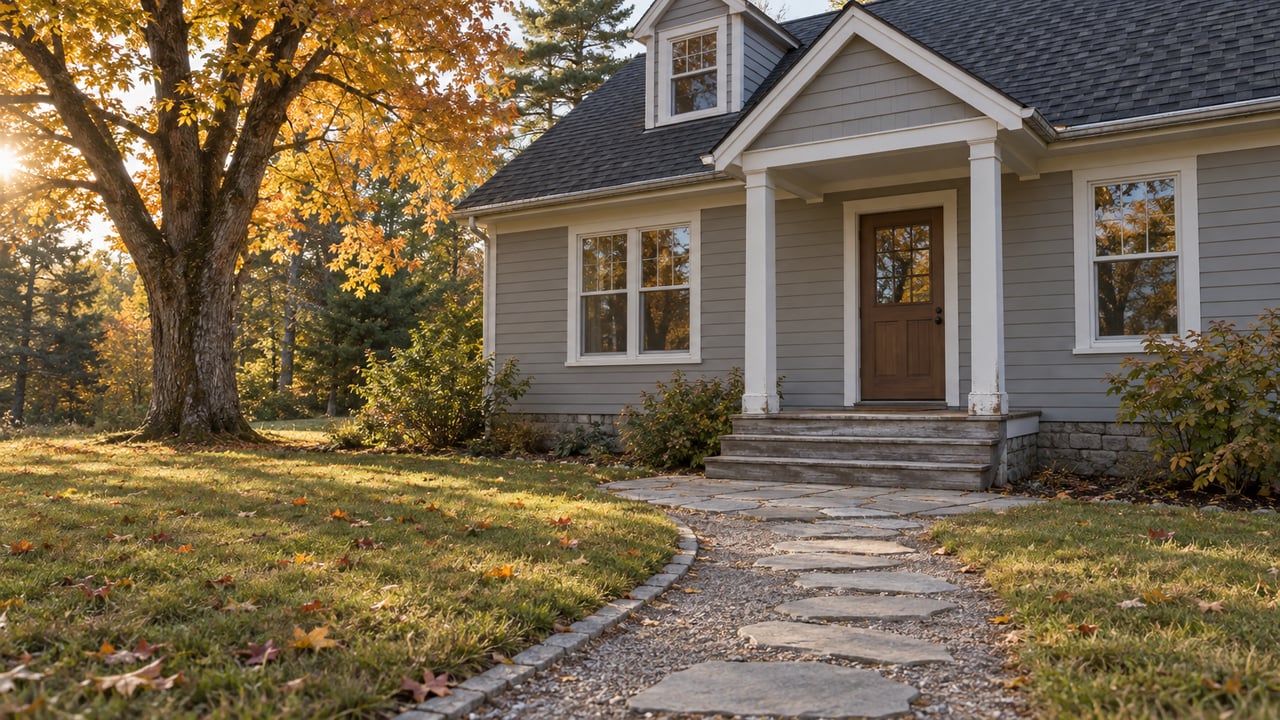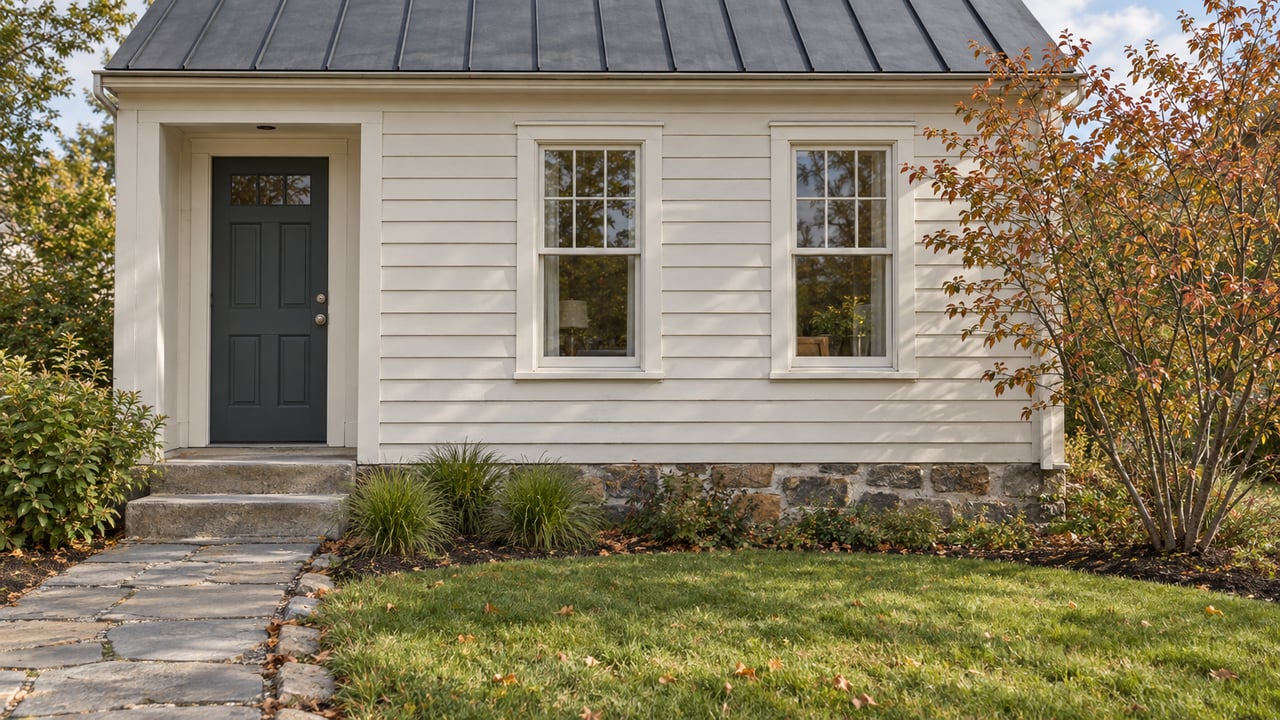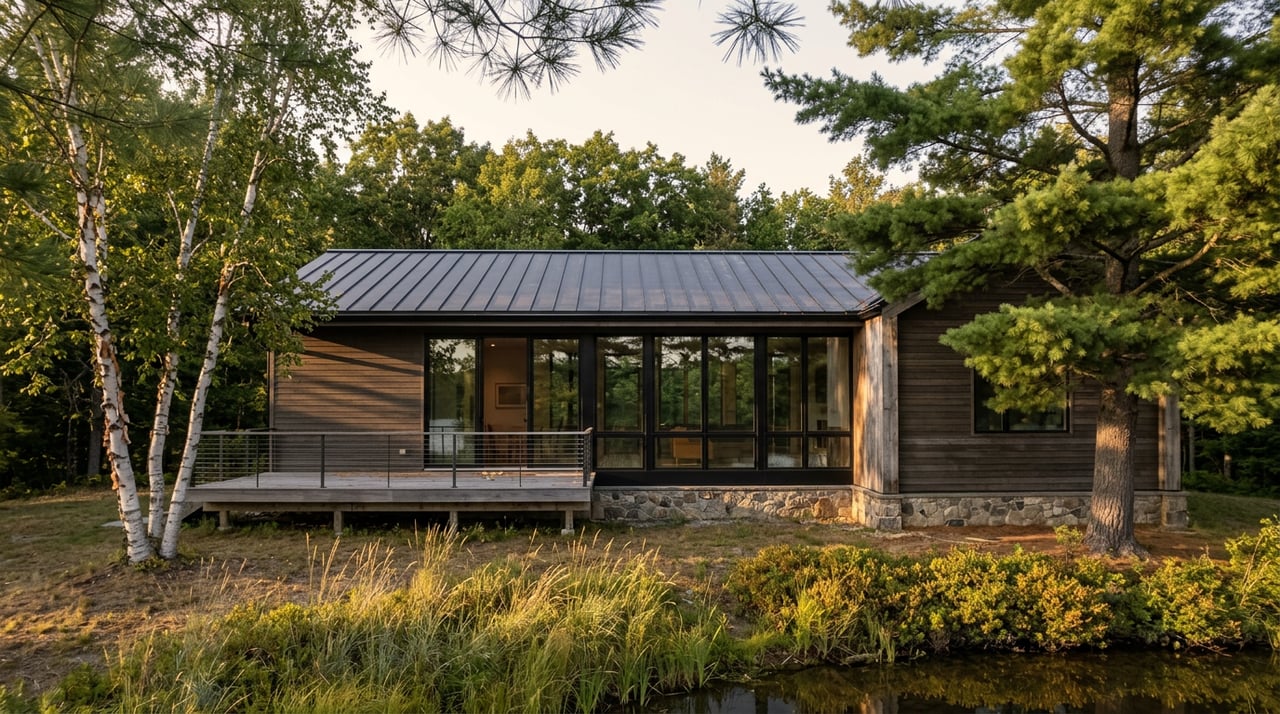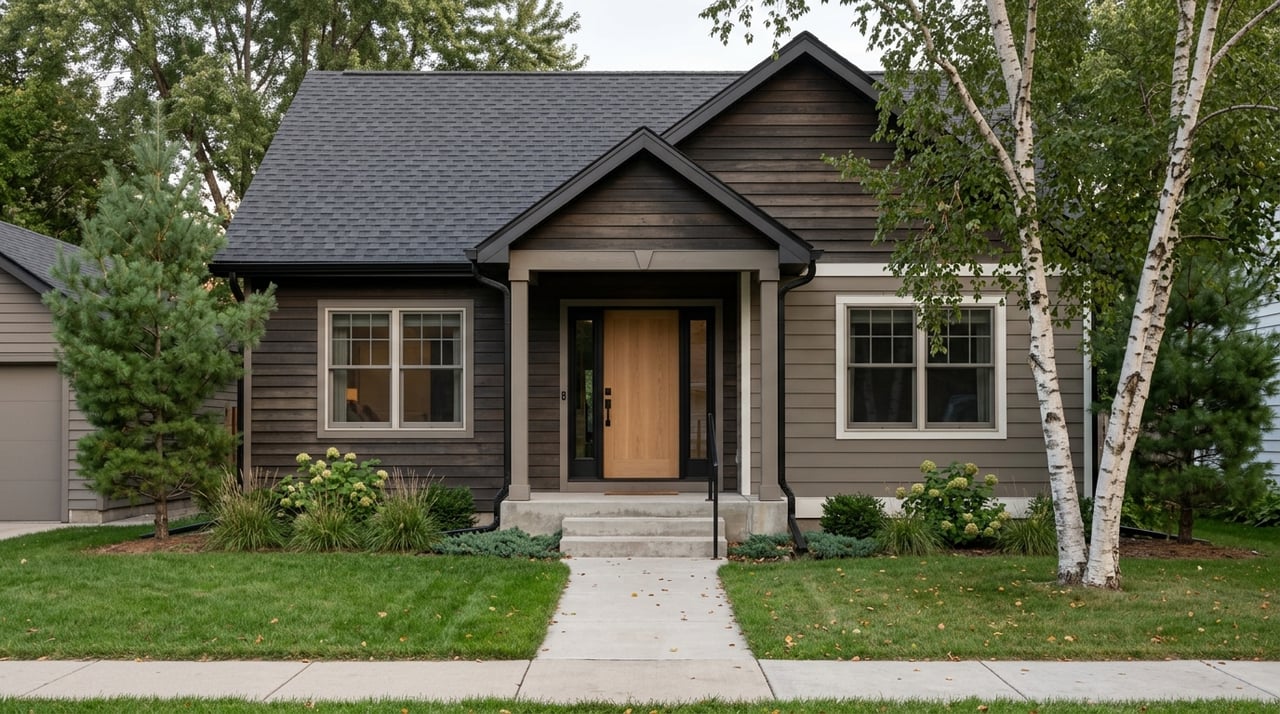
Choosing a Traverse City neighborhood can feel harder than choosing the house itself. One area may give you easy walks to downtown, another may offer quicker beach access, and another may fit buyers who want newer homes or a quieter street pattern. If you want to narrow your options with more confidence, this guide will help you compare Traverse City neighborhoods based on how you actually want to live. Let’s dive in.
Start With Your Daily Priorities
The best Traverse City neighborhood for you depends on the tradeoffs you are most comfortable making. Across the city’s planning and neighborhood input process, residents consistently point to the same priorities: trees, walkability, bikeability, historic buildings, parks, green space, and access to water and beaches.
That matters because Traverse City does not operate like one uniform housing market. The city groups neighborhoods into distinct clusters, including Central, Old Towne/Midtown/Lake Ridge, Slabtown/Kids Creek, Boardman/Oak Park, Oakwood/Triangle, Traverse Heights/NoBo, and Morgan Farms. When you compare neighborhoods by lifestyle first, your home search usually gets much easier.
Compare Car-Light vs Car-Oriented Living
One of the most useful questions to ask is how much you want to rely on your car. Traverse City is compact, but your day-to-day experience can still feel very different depending on where you live.
The city maintains about 80 miles of local and major streets, 7 miles of state highway, 23 miles of alleys, and 105 miles of public sidewalks and trails. That means location can shape how easily you can walk, bike, or use transit for errands, dining, parks, and the waterfront.
Best Fit for Walkability
If you want to walk to more of your daily stops, start by looking at Central, Old Towne, and the downtown core. These areas line up well with buyers who want easier access to shops, restaurants, parks, and the bayfront.
Central stands out for its historic in-town feel. The city describes it as a historic residential neighborhood with preserved parks, trails, tree canopy, traditional lighting, and brick streets, along with strong access to transit, food, healthcare, parks, walking, and biking.
Best Fit for More Driving Space
If you do not need to be downtown every day, you may prefer a neighborhood with a quieter layout or a more residential feel. Areas like Oakwood, Traverse Heights, and Morgan Farms can appeal to buyers who want practical access to the city but a different pace than the downtown core.
The city has also been investing in sidewalks and trail connections in places like Traverse Heights, Garfield Avenue, and East Front Street. That helps make some edge-of-city areas more convenient for buyers who still care about walkability without needing a fully car-light lifestyle.
Downtown, Central, and Old Towne
These neighborhoods tend to attract buyers who want to stay close to the city’s most concentrated amenities. Traverse City sits on both East and West Grand Traverse Bay, and downtown includes more than 200 locally owned businesses, more than 50 restaurants, and a major farmers market.
That convenience comes with a different parking setup than quieter residential areas. Downtown uses metered spaces and public parking structures, so it often works best for buyers who value activity, dining, waterfront access, and errands within close reach.
Why Buyers Choose Central
Central is often a strong match if you want a classic in-town residential setting. It combines historic character with strong access to parks, trails, transit, and everyday services.
If your ideal day includes walking or biking more often, Central deserves a close look. It blends neighborhood features like tree canopy and traditional streetscape details with one of the city’s strongest amenity profiles.
Why Buyers Choose Old Towne
Old Towne offers a mixed-use, older urban character near downtown. The city describes it as a transition area between the denser downtown core and nearby single-family neighborhoods, with low-intensity commercial uses along Union Street and Eighth Street.
Many homes in Old Towne were built between 1880 and 1930. For buyers drawn to older housing stock and a location near both residential streets and city activity, that combination can be appealing.
Boardman, Slabtown, and Kids Creek
This group gives you several ways to stay near downtown without choosing the exact same living experience. Each one has a different relationship to historic character, parks, and access to the bay or major corridors.
If you want an established neighborhood close to the city center, this cluster is often a smart place to compare options side by side.
Why Buyers Choose Boardman
Boardman is one of Traverse City’s classic historic residential districts near downtown. The city describes large Victorian and brick homes on small lots, mostly single-family with some duplexes, and notes that the area is walkable to downtown.
Boardman is also a designated historic district. If older architecture and an established streetscape are high on your list, Boardman is one of the city’s clearest choices.
Why Buyers Choose Slabtown
Slabtown offers historic roots with strong access to beaches and parks. The neighborhood’s history traces back to the lumber era, and the city notes typical lots around 7,500 square feet with alley-loaded garages and accessory dwelling units where zoning allows.
Location is a big part of Slabtown’s appeal. It sits close to West End Beach and several city parks, including Ashton Park, Darrow Park, Veteran’s Park, and Slabtown Beach.
Why Buyers Choose Kids Creek
Kids Creek has a more wooded feel and varied topography. The city describes it as one of Traverse City’s older neighborhoods, with a mix of smaller single-family homes and several multi-family developments.
Its location near Munson Medical Center, Grand Traverse Commons, and the West Front Street corridor can also be a practical advantage. Buyers who want an established setting that feels less dense than downtown may want to explore Kids Creek.
Traverse Heights, Oakwood, and Morgan Farms
If your search leans toward varied housing types, a quieter residential layout, or newer development patterns, these neighborhoods are worth close attention. They offer a different side of Traverse City living than the historic core.
This part of the city can work well for buyers who want connection to trails, services, and commuting routes while keeping some distance from downtown intensity.
Why Buyers Choose Traverse Heights
Traverse Heights is known for housing variety and everyday convenience. The city describes smaller one-level homes, duplexes, and multiplexes, plus coffee shops, community gathering places, and access to the TART Trail.
That trail connection matters. It links to the Boardman Lake Loop and both sides of the city, which can make east-west movement easier for buyers who want strong connectivity.
Why Buyers Choose Oakwood
Oakwood can feel like a middle-ground option. The city describes 1950s ranch and split-level homes, tree-lined streets, and deep lots, with buffering from nearby higher-intensity corridors like Eighth Street, Munson Avenue, and Hastings-Parsons.
If you want more separation from the downtown core but still want to stay within the city, Oakwood may be worth adding to your short list.
Why Buyers Choose Morgan Farms
Morgan Farms stands out as the city’s newer planned-community option. The master plan describes a mix of single-family homes, townhomes, duplexes, condominiums, and apartments in a new-traditional Craftsman style.
For buyers deciding between newer housing and older in-town homes, Morgan Farms offers a useful contrast. It may be especially relevant if you want a more recently developed neighborhood form.
Bayfront and Beach Access Areas
If access to the water is your top priority, focus less on a single neighborhood name and more on the bayfront park and beach network. Traverse City’s key water-access areas include Clinch Park, West End Beach, East Bay Park, Bryant Park, Senior Center Beach, and the Open Space.
Each location supports a slightly different lifestyle. The city describes Clinch Park as a beach, marina, and TART hub on West Grand Traverse Bay, while West End Beach offers sandy beach access and lawn space. East Bay Park has shallow water, Bryant Park is a popular beach destination, Senior Center Beach is a quieter West Bay beach, and Open Space is the city’s largest beachfront park.
Why the Trail System Matters
The TART Bayfront extension is an important part of this decision. It is designed to strengthen the connection from West End Beach eastward toward Eastern Avenue and improve links among bayfront parks, downtown, and the regional trail network.
If you want both water access and walk-or-bike convenience, that connection can play a big role in where you feel most at home.
Parks and Green Space Matter Here
In Traverse City, parks are not just a nice extra. They are part of how many buyers evaluate neighborhood quality.
The city has a broad park system and is updating its Parks and Recreation Master Plan, which points to continued attention on parks, trails, and recreation assets. Neighborhood-scale examples include F&M Park in the Boardman and Oak Park area, Hannah Park in Central, Ashton Park and Slabtown Corner in Slabtown, and Lay Park in Old Towne.
If green space is important to you, compare neighborhoods not just by homes for sale, but also by how close you are to the parks and outdoor spaces you are likely to use most often.
Think About Your Commute Pattern
Traverse City buyers often think about commute time by car only, but local transit and trail access can change the picture. BATA’s City Loop serves Traverse City, and the free Bayline runs from the East Bay Beach District to downtown while also connecting to Grand Traverse Commons and Meijer.
The city also describes a bike network that connects neighborhoods, downtown, retail, transit, and parks. Together, those systems can make some neighborhoods more practical than they first appear on a map.
If You Are Open to Nearby Communities
Some buyers want Traverse City access without living inside the city limits. In that case, it helps to know that BATA Village Loops connect Traverse City with Suttons Bay, Kingsley, Interlochen, Glen Arbor, and Acme.
Route 14 also links Cherry Capital Airport, East Bay and West Bay hotels, Grand Traverse Resort, Acme, and downtown Traverse City. If you are relocating or balancing year-round and second-home goals, that wider commute map may open up more options.
A Simple Short List for Buyers
If you want a quick way to narrow the field, start here:
- For the most car-light lifestyle: Central, Old Towne, and the downtown core
- For historic homes near downtown: Boardman
- For historic character plus beach and park access: Slabtown
- For varied housing types and strong east-west connections: Traverse Heights, Oakwood, and Morgan Farms
- For bay-and-beach-first living: Areas near Clinch Park, West End Beach, East Bay Park, Bryant Park, Senior Center Beach, and Open Space
- For buyers open to commuting into Traverse City: Acme, Suttons Bay, Kingsley, Interlochen, and Glen Arbor
The right neighborhood comes down to how you want your day to feel once the move is over. If you want local guidance as you compare Traverse City neighborhoods, commute patterns, and housing options, Team Shimek is here to help you build a short list that fits your goals.
FAQs
What is the best Traverse City neighborhood for walkability?
- Central, Old Towne, and the downtown core are strong options if you want easy access to amenities, parks, transit, and walkable city living.
Which Traverse City neighborhood has the most historic character?
- Boardman, Old Towne, and Central are key areas to explore if you are looking for older homes, historic streetscapes, and a more established in-town feel.
What Traverse City area is best for beach access?
- Buyers focused on water access should compare areas near Clinch Park, West End Beach, East Bay Park, Bryant Park, Senior Center Beach, and Open Space.
Which Traverse City neighborhood offers newer housing options?
- Morgan Farms is the city’s newer planned-community option and includes a mix of single-family homes, townhomes, duplexes, condominiums, and apartments.
What Traverse City neighborhood is good for varied housing types?
- Traverse Heights is a strong option if you want a mix of smaller one-level homes, duplexes, multiplexes, and convenient trail connections.
Can you commute to Traverse City from nearby communities?
- Yes. BATA Village Loops connect Traverse City with communities such as Suttons Bay, Kingsley, Interlochen, Glen Arbor, and Acme.