Wondering whether Glen Arbor makes more sense as your full-time home base or your seasonal escape? That question matters here more than in many markets, because Glen Arbor lives in two rhythms at once: a busy resort season and a much quieter off-season. If you are weighing a permanent move, a second home, or a future lifestyle shift, understanding how day-to-day life changes by season can help you buy with more confidence. Let’s dive in.
Glen Arbor Has Two Distinct Lifestyles
Glen Arbor is a resort-town market with a small year-round core. The township reports about 900 year-round residents and 5,000 seasonal residents, and the area draws more than a million visitors each year, mostly during the summer season.
That split shapes nearly everything, from traffic patterns to business hours to how a home functions in January versus July. If you are shopping here, the real question is not simply whether you want a vacation home or a primary residence. It is whether you want seasonal destination living or self-sufficient winter living.
What Seasonal Living Feels Like
Seasonal living in Glen Arbor is tied closely to recreation, convenience, and time spent near the village, shoreline, and trail network. The township describes the area as a tourist destination, and many village businesses are oriented toward seasonal residents and visitors.
During the warmer months, Glen Arbor is active and social. Summer is the busy season, and amenities like the farmers market, public restrooms, and the Lake Street boat ramp follow that seasonal pattern. The farmers market runs on Tuesdays from June through September, public restrooms are generally open May through November, and the boat ramp is typically in place by the end of May.
For many second-home buyers, that is the appeal. You can arrive, enjoy the lake and trails, host guests, and make the most of the area during its busiest and most event-filled stretch of the year.
Why Buyers Choose Seasonal Homes
A seasonal property often works best when it is easy to enjoy and easy to leave. In Glen Arbor, buyers often prioritize practical features such as:
- Low-maintenance exterior materials
- Lock-and-leave convenience
- Flexible sleeping space for guests
- Storage for beach, boating, biking, and winter gear
- Proximity to the village, shoreline, or trail access
Those priorities fit the township’s vacation-town character and the area’s strong recreation calendar. If your goal is to maximize getaway time instead of managing a property full-time, that kind of setup can be a strong match.
What Year-Round Living Feels Like
Year-round living in Glen Arbor is quieter, more local, and more infrastructure-focused. The area does not shut down in winter, but the pace changes meaningfully.
The Glen Lake Chamber describes winter traffic as minimal, and notes that while many businesses remain open year-round, some retailers, restaurants, and lodging properties close for the season or operate on limited hours. That can be a positive if you want a calmer setting, but it also means your daily routines may require more planning than they would in a larger town.
Glen Arbor still maintains a year-round civic presence. Township operations continue throughout the year, and public-facing assets like the township park and public boat ramp remain part of the local landscape, even though some amenities are seasonal in practice.
What Full-Time Buyers Should Evaluate
If you are considering a permanent move, your due diligence should go beyond the house itself. In Glen Arbor, several location and infrastructure details matter a great deal:
- Whether the property is on a plowed year-round road
- Well and septic setup
- Distance to medical services
- Winter utility resilience
- Daily driving patterns for work, school, and errands
These are not minor details. They are part of what makes full-time living here different from owning a seasonal retreat.
Road Access Matters More Than You May Think
One of the biggest practical differences between year-round and seasonal ownership is winter access. The Leelanau County Road Commission states that winter maintenance is its top priority, but it also maintains policies for seasonal roads that are closed from November through April.
That means a home’s road classification is a key question for full-time buyers. A property that feels perfectly accessible in July may function very differently during a Northern Michigan winter. If you plan to live in Glen Arbor full-time, confirming year-round access should be part of your early search process, not an afterthought.
Utilities and Septic Are Core Buying Questions
Glen Arbor does not offer public sewer and water service. According to township planning documents, homes and businesses must develop their own potable well and sanitary system through the Benzie-Leelanau District Health Department.
That affects both lifestyle and transaction planning. Buyers should understand the age, condition, and service history of private systems, especially if they are comparing a full-time residence against a more lightly used seasonal property.
The health department also requires a Time of Transfer evaluation for homes in Benzie or Leelanau County with a well or septic system before a sale is final. For buyers and sellers alike, this is a routine but important local step that can affect timing and expectations.
Schools and Medical Access Are Part of the Decision
If you are moving to Glen Arbor full-time, logistics beyond the property line deserve close attention. Township planning materials state that there are no public school facilities within the township, and that Glen Lake Community Schools is located in Maple City, just south of the township line.
Medical access also requires some planning. Glen Arbor has 24/7 fire and EMS coverage through the Glen Lake Fire Department, including ALS ambulances in Glen Arbor and Empire, but the closest full-service hospital and emergency room is Munson Medical Center in Traverse City. The township master plan also notes a doctor, dentist, and pharmacy in Empire.
None of this rules out full-time living. It simply means that year-round buyers should evaluate convenience, drive times, and support systems more carefully than a seasonal buyer might.
Winter Changes the Lifestyle
Winter in Glen Arbor is quieter, but it is not inactive. The area shifts from beach-season energy to an outdoor winter recreation pattern, with opportunities for ice skating, cross-country skiing, downhill skiing, snowshoeing, and ice fishing.
Sleeping Bear Dunes National Lakeshore also offers winter activities such as groomed cross-country skiing, snowshoeing, sledding at the Dune Climb, and year-round camping at select campgrounds. For many owners, this is part of the appeal of keeping a property here beyond summer.
At the same time, winter requires respect for conditions. The National Park Service warns about freezing temperatures, slippery and unstable surfaces, dangerous shoreline ice, and possible avalanche conditions on steep snow-covered dunes. That means winter ownership is rewarding, but it comes with a very different set of habits and safety considerations than peak summer living.
Location Within Glen Arbor Makes a Difference
Not every Glen Arbor property serves the same lifestyle equally well. Township planning documents describe the village area as one of the main concentrations of development, with most single-family homes surrounding the village and the Glen Lakes shoreline, while the business district is concentrated almost entirely within the village.
For year-round residents, that can make proximity to services and everyday destinations more important. A home closer to the village may simplify day-to-day life during the off-season, while a property chosen mainly as a retreat may place a higher value on privacy, recreation access, or shoreline setting.
This is one reason local guidance matters. Two homes can both be in Glen Arbor and offer very different experiences depending on road access, location, utility setup, and how you plan to use the property.
Which Option Fits You Best?
If you picture Glen Arbor as a place to unplug, gather with friends and family, and enjoy the lake lifestyle during peak seasons, a seasonal home may be the right fit. You may care most about convenience, guest space, recreation access, and a property that is simple to maintain between visits.
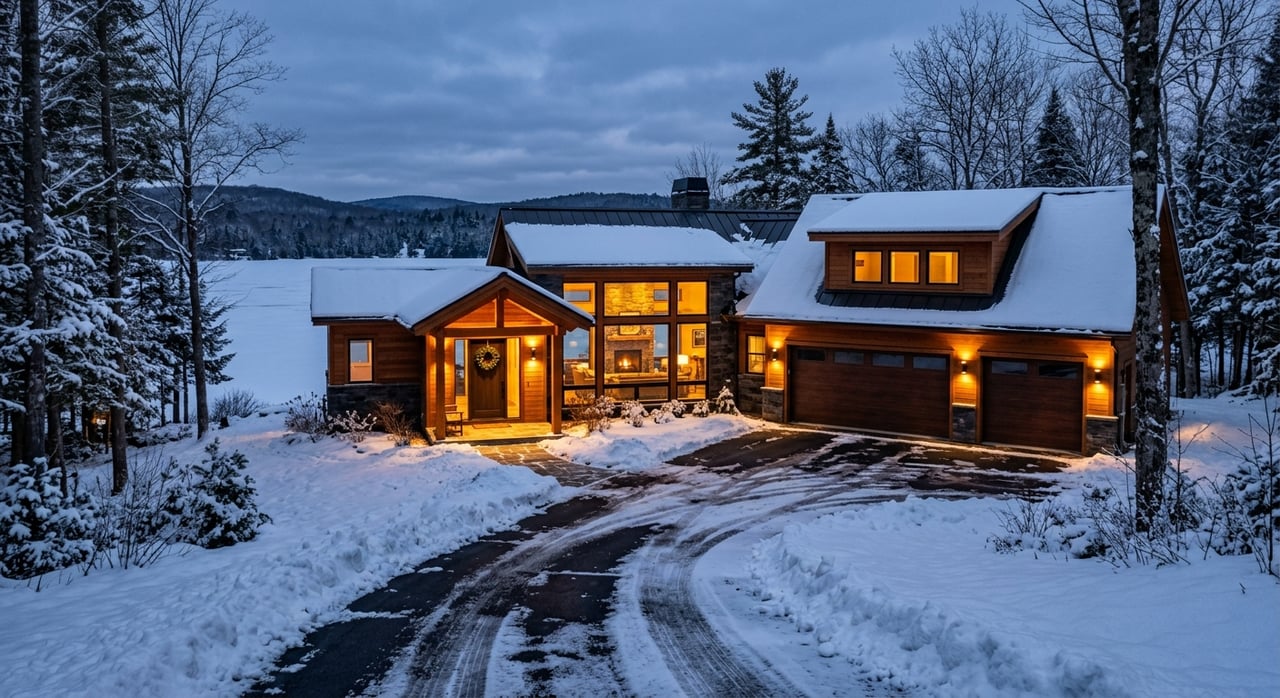
If you picture Glen Arbor as home in every season, your checklist should be broader. You will want to look carefully at winter road access, heating efficiency, insulation, storage, mudroom or covered entry space, and the reliability of private systems during storms or power interruptions.
In other words, the right choice depends less on the label of primary or second home and more on how you want to live here month to month. Glen Arbor supports both lifestyles, but they ask different things from the property and from you.
If you are sorting through those tradeoffs, working with a local team can help you focus on the details that matter most for your goals. Whether you are searching for a year-round home, a seasonal getaway, or a property with long-term flexibility, Team Shimek can help you evaluate Glen Arbor with clear, local insight.
FAQs
Is Glen Arbor mostly a seasonal community or a year-round community?
- Glen Arbor has both, but it is primarily a resort-town market with about 900 year-round residents and roughly 5,000 seasonal residents, according to the township.
What should buyers check for year-round living in Glen Arbor?
- Buyers should confirm year-round road access, understand well and septic systems, review winter utility needs, and consider school and medical logistics.
Are some Glen Arbor roads closed in winter?
- Yes. The Leelanau County Road Commission has seasonal roads that are closed from November through April, so road status is an important due-diligence item.
Does Glen Arbor have public water and sewer service?
- No. Township planning documents state that homes and businesses use private well and sanitary systems developed through the Benzie-Leelanau District Health Department.
What is nearby for medical care around Glen Arbor?
- Glen Arbor has 24/7 fire and EMS coverage, while the closest full-service hospital and emergency room is Munson Medical Center in Traverse City. The township also notes a doctor, dentist, and pharmacy in Empire.
Are there public schools located inside Glen Arbor Township?
- No. Township materials state there are no public school facilities within the township, and Glen Lake Community Schools is located in Maple City.
Is Glen Arbor active in winter for seasonal owners?
- Yes. Winter recreation includes activities such as cross-country skiing, snowshoeing, downhill skiing, ice skating, and ice fishing, though conditions can be more hazardous than in summer.