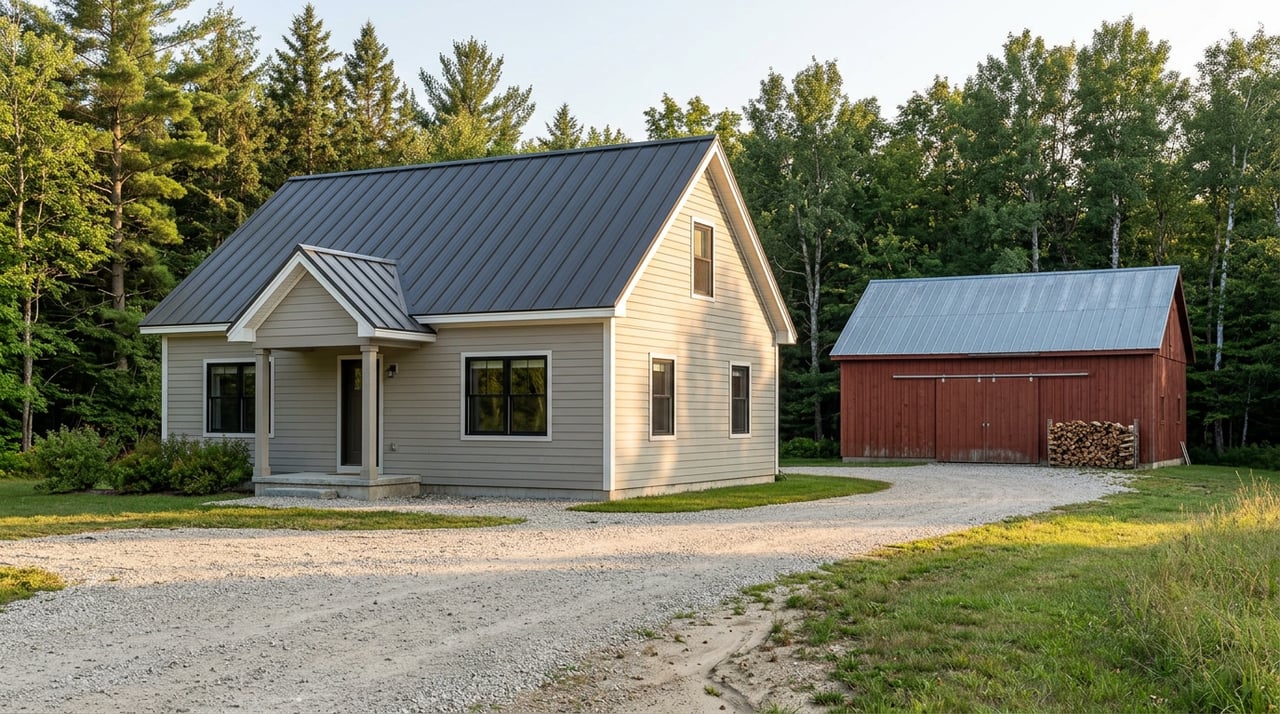
Dreaming about a small homestead where you can grow food, keep a few animals, and breathe in pine-scented air? If Cedar has caught your eye, you’re on the right track. The area’s rural character, fertile pockets of soil, and easy reach to Traverse City make it a smart place to put down roots. This guide walks you through the land features, rules, and checks that matter most so you can buy acreage with confidence. Let’s dive in.
Why Cedar works for a homestead
Cedar sits in Solon Township on the central Leelanau Peninsula, a rural landscape shaped by orchards, rivers, and rolling glacial hills. You get a quiet country feel with practical access to Traverse City services and markets. That balance supports daily life, resale potential, and small-scale growing.
You should also plan for the area’s natural constraints. The Cedar River and Solon Swamp create sensitive wetland zones, and some parcels have steeper slopes or variable soils. Understanding where and how you can build or plant is the key to a smooth project.
Soils and growing conditions
Healthy soil underpins every homestead decision, from gardens and orchards to pasture and building sites.
Use NRCS soil maps first
Start by mapping any parcel on the USDA’s NRCS Web Soil Survey. It gives you a quick read on soil types, drainage, and limitations before you spend money on site visits.
- Open the tool and draw your Area of Interest to generate a soil report for that property. Use it to flag well-drained, loamy map units and to note any hydric or organic soils that may signal wetlands.
- Cross-check your findings with Solon Township’s master plan maps for soil and slope context. The master plan highlights where steep slopes and sensitive areas might add cost or limit development.
Helpful resources:
- Use the NRCS Web Soil Survey for parcel-level mapping: NRCS Web Soil Survey
- For local planning context, review the Solon Township Master Plan
Loamy vs. sandy soils
Much of Solon Township features loamy soils mixed with sandy areas and pockets of wetter, organic ground. Here’s how that plays out:
- Loamy, well-drained soils are great for gardens and many fruit trees.
- Sandy soils drain fast and can be suitable for certain tree fruits, but they hold less water and nutrients. Plan on soil amendments and irrigation.
- If you plan pasture or small livestock, look closely at drainage and depth to the seasonal high water table. Poorly drained soils reduce usable acreage and affect manure management.
For crop and variety advice tailored to the Leelanau Peninsula’s microclimate, consult MSU Extension in Leelanau County. The area is around USDA Zone 6a, which helps guide tree and perennial choices.
Topography and slope checks
Solon Township’s glacial hills create beautiful views and practical considerations. Slopes over roughly 15 percent often add cost for driveways, site work, and foundations. A topo or elevation map helps you find natural benches for building, track drainage, and avoid frost pockets. The Solon Township Master Plan maps can help you spot steeper terrain early.
Water, wetlands, and river corridors
Cedar River and Solon Swamp context
The Cedar River and the Solon Swamp form an extensive wetland complex that shapes what you can do on nearby parcels. These areas are ecologically important and may limit building envelopes or access points. To understand the landscape and nearby protections, explore the Conservancy’s Cedar River Natural Area.
Wetland rules to know
In Michigan, wetlands that meet state criteria are regulated under Part 303. Disturbing regulated wetlands may require permits from the Department of Environment, Great Lakes, and Energy (EGLE). If you see hydric soils, standing water, or mapped wetlands, assume regulation could apply until a pro confirms boundaries.
- Learn the basics from EGLE’s guidance on local wetland protection.
- If wetlands are present or suspected, hire a certified wetland professional for a delineation before you assume buildable acreage.
Private wells and septic
Cedar-area parcels typically rely on private wells and on-site septic systems. These systems are essential for livability and resale.
Well testing and supply
Groundwater supply in the township is generally adequate, though water quality and yield can vary by location. Before closing, test for bacteria and nitrate, and review any available well logs. If a well does not exist, plan a professional well siting consult.
Septic and perc steps
The Benzie-Leelanau District Health Department (BLDHD) oversees site evaluations and permits for septic systems. A site survey, often called a perc test, checks soil, seasonal water table depth, slope, and required setbacks. The results will determine whether a conventional, mound, or engineered system is needed and inform your budget.
- Start with BLDHD’s guide and application for a site survey or vacant land evaluation.
- Keep records of any existing septic permits, as-built drawings, and pump/inspection receipts for due diligence and future resale.
Zoning, outbuildings, and animals
Township vs. county roles
In Solon Township, zoning and land-use rules, including setbacks and allowed uses, are set at the township level. Building permits and code inspections are handled by Leelanau County’s Building Safety office. Check both before you plan any new structure.
- For permits and inspections, contact Leelanau County Building Safety.
- For planning context, use the Solon Township Master Plan and confirm parcel-specific rules with the township zoning administrator.
Building barns and shops
Accessory buildings usually require permits once they reach certain size thresholds or include utilities. Verify the permitted status of any existing structures on a parcel. If you plan to keep animals, confirm setbacks and manure management rules with zoning and the health department. This protects water resources and helps you avoid surprises.
Conservation limits and PA 116
Conservation easements
Some Leelanau County parcels carry conservation easements that limit future development or certain uses. Ask for recorded documents during title review, and understand how they affect your plans and resale. For context on local conservation, explore the Conservancy’s background on conservation easements in Leelanau.
PA 116 considerations
Michigan’s Farmland and Open Space Preservation program, often called PA 116, allows owners to enroll acreage under agreements that restrict development for a set term in exchange for tax benefits. If a parcel is enrolled, review the agreement length and restrictions so you know what you can do and when. Learn more from the state’s PA 116 FAQ.
Resale and value drivers
Vacant land and acreage in Leelanau County remain desirable, with strong buyer interest in buildable sites that have clear, verified paths for wells and septic. Parcels that pass site evaluations and include usable building areas or permitted outbuildings often command a premium. At the same time, interior parcels without utilities, with spotty broadband, or with wetland or steep-slope constraints can take longer to sell. Clear due diligence up front helps you price risk and plan improvements that support long-term value.
Your due diligence checklist
Use this list before you make an offer or as a firm contingency.
- Run the NRCS Web Soil Survey for the parcel and note drainage, hydric soils, and any limitations.
- Review the Solon Township Master Plan for slope and land-use context; follow up with the township zoning administrator for parcel-specific rules.
- Order a BLDHD site survey/percolation evaluation and request any septic permits, as-builts, and recent pump/inspection records.
- Test well water for bacteria and nitrate, and obtain a well log if available. If no well exists, schedule a siting consult.
- If wetlands are visible or mapped, get a professional delineation. Review EGLE’s wetland protection basics to understand permit triggers.
- Check FEMA flood zones via the Flood Map Service Center and budget for any elevation or insurance needs.
- Confirm building-permit history and next steps with Leelanau County Building Safety, especially for barns or workshops.
- Ask your title company and the seller for any recorded easements, rights-of-way, timber or hunting leases, and conservation easements. For context, review local easement info from the Leelanau Conservancy.
- If the land is farmed or may be enrolled in a farmland agreement, read up on the state’s PA 116 program so you understand use limits and timelines.
Ready to walk land near Cedar and separate dream parcels from money pits? As a locally rooted team with deep experience in Leelanau acreage, we’ll help you target the right soils, confirm wells and septic paths, and navigate township and county rules. Connect with Team Shimek to schedule a free consultation and start your homestead search with clarity.
FAQs
Can you keep small livestock near Cedar?
- Often yes on agricultural or Residential-Agriculture parcels, but confirm zoning setbacks and manure rules with the township and the health department before you buy.
What if a Cedar-area lot includes wetlands?
- Hire a certified wetland professional for a delineation. Regulated wetlands may require EGLE permits, and regulated areas typically are not buildable.
How can you confirm septic feasibility on rural land?
- Order a Benzie-Leelanau District Health Department site survey. Results will indicate if a conventional, mound, or engineered system is needed and inform your budget.
Are there good soils for orchards and gardens near Cedar?
- Yes, many parcels have loamy, well-drained soils suited to fruit and vegetables. Use NRCS soil mapping and consult MSU Extension for variety and rootstock guidance.
Can you build a barn or workshop on Cedar acreage?
- Usually, as long as you meet zoning setbacks and obtain required building permits. Confirm your building envelope, especially near wells or wetlands, before designing.