Wondering what it’s really like to own a cottage in Glen Arbor? It is easy to fall for the views, the water, and the Sleeping Bear backdrop, but daily ownership here comes with a very specific rhythm. If you are thinking about buying a seasonal place or a second home, this guide will help you understand what to expect from the setting, the upkeep, and the practical details that matter most. Let’s dive in.
Glen Arbor Has a Strong Seasonal Rhythm
Glen Arbor feels very different depending on the time of year. Township materials describe about 900 year-round residents and roughly 5,000 seasonal residents, which helps explain why the area can feel quiet in one season and much busier in another.
The township’s 2022 plan counted 373 permanently occupied housing units and 1,301 seasonally occupied housing units in 2020. For you as a cottage owner, that usually means a peaceful off-season experience paired with a much more active midsummer environment.
Summer brings the biggest shift. The township says it sees more than a million visitors each year, mostly during peak season, so you can expect more traffic, fuller parking areas, and added strain on local services when visitor activity is highest.
That seasonal pattern does not stop when summer ends. According to the township, fall brings color tours and hunting, while winter brings activities like skating, cross-country skiing, downhill skiing, snowshoeing, and ice fishing. In other words, cottage ownership here often feels more like being part of a four-season resort community than a fully uniform year-round neighborhood.
Cottage Types Can Vary by Location
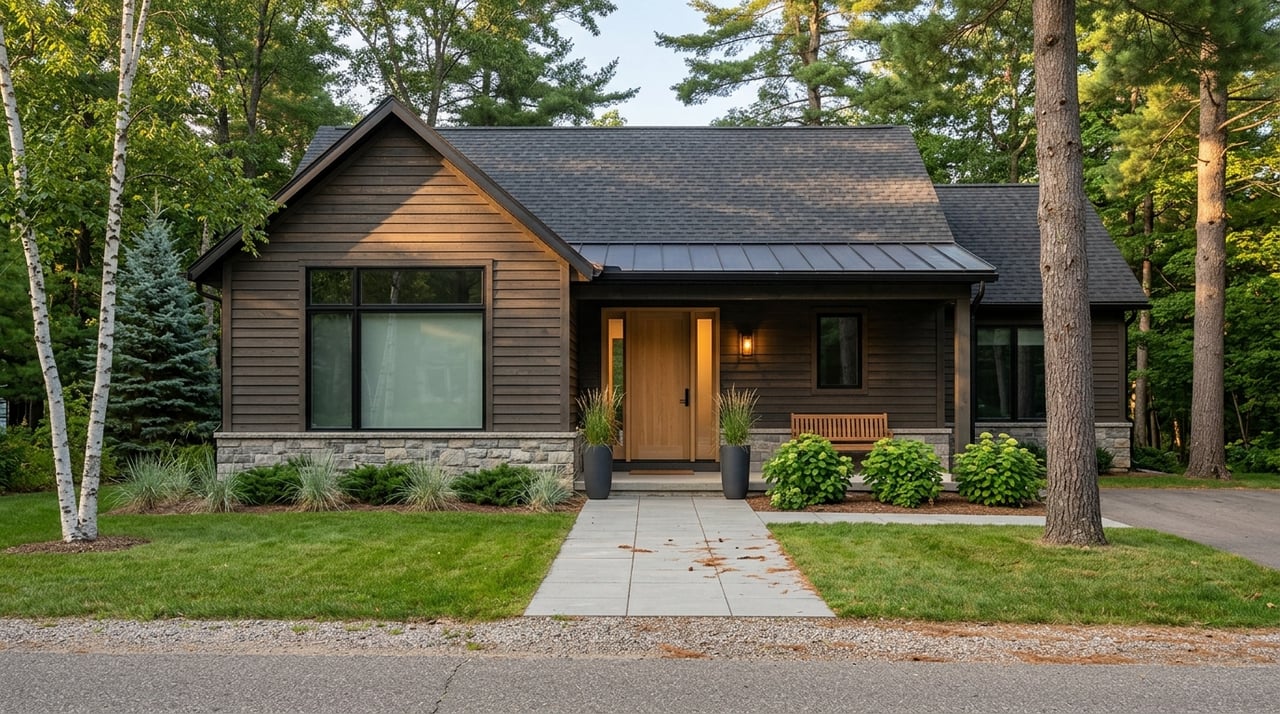
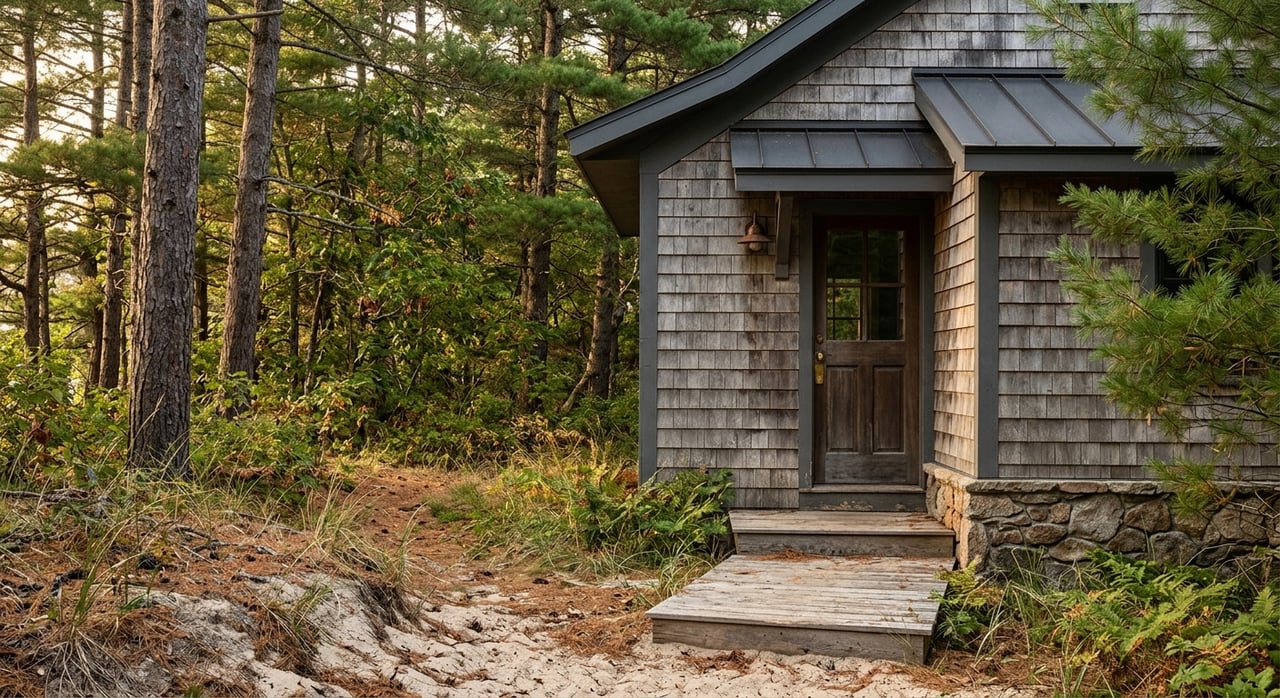
In Glen Arbor, the word “cottage” can mean different things from one parcel to the next. Some properties function as simple seasonal second homes, while others may sit in areas where resort-style lodging uses are part of the zoning framework.
Glen Arbor Township’s zoning ordinance divides land into several districts, including residential, resort, recreational, business, agricultural, and governmental. Single-family dwellings are allowed in every district, but the ordinance also lists uses such as inns, lodges, hotels, rooming houses, motels, and rental cottages.
The township master plan identifies The Homestead as the main resort area and also notes smaller resort or cabin clusters on Little Glen, at The Narrows, at the end of Lake Street, and along Dunns Farm Road. That means your ownership experience may look a little different depending on whether your property is in a more traditional residential setting or in an area shaped by vacation-oriented uses.
If you are considering anything beyond personal use, parcel-specific research matters. The township requires a land-use permit for a new or changed use, and if a septic or water system is involved, the required health department permit must be issued first.
Access Is Part of the Lifestyle
One of Glen Arbor’s biggest draws is how much outdoor access is packed into one area. For many owners, the cottage is only part of the appeal. The larger lifestyle includes beach days, paddling, biking, and trail access.
Sleeping Bear Dunes National Lakeshore reports more than 1.5 million annual visits, with most visitors arriving by car, RV, or motorcycle and traveling through M-22 and M-109. The township also notes that nearly half of the park’s acreage lies within Glen Arbor Township, so public access and visitor movement are a major part of local life.
Nearby access points include the Dune Climb, the Sleeping Bear Heritage Trail, Crystal River Access just north of Glen Arbor, and Little Glen Lake access across from the Dune Climb. If you enjoy an active outdoor routine, that close access can be a major benefit of owning here.
The Crystal River is described by the National Park Service as shallow, sandy-bottomed, and well-suited for families and beginning canoeists and kayakers. The township also notes that the Lake Street boat ramp is available for seasonal and commercial boats, which shows that even in a laid-back setting, water access is actively managed.
For Lake Michigan beach use, it is important to know that beaches in the lakeshore are open for swimming but do not have lifeguards, and rip currents are possible. Quick weather changes off the lake are also part of the local reality, so owners often build flexibility and safety awareness into their plans.
Ownership Means More Exterior Upkeep
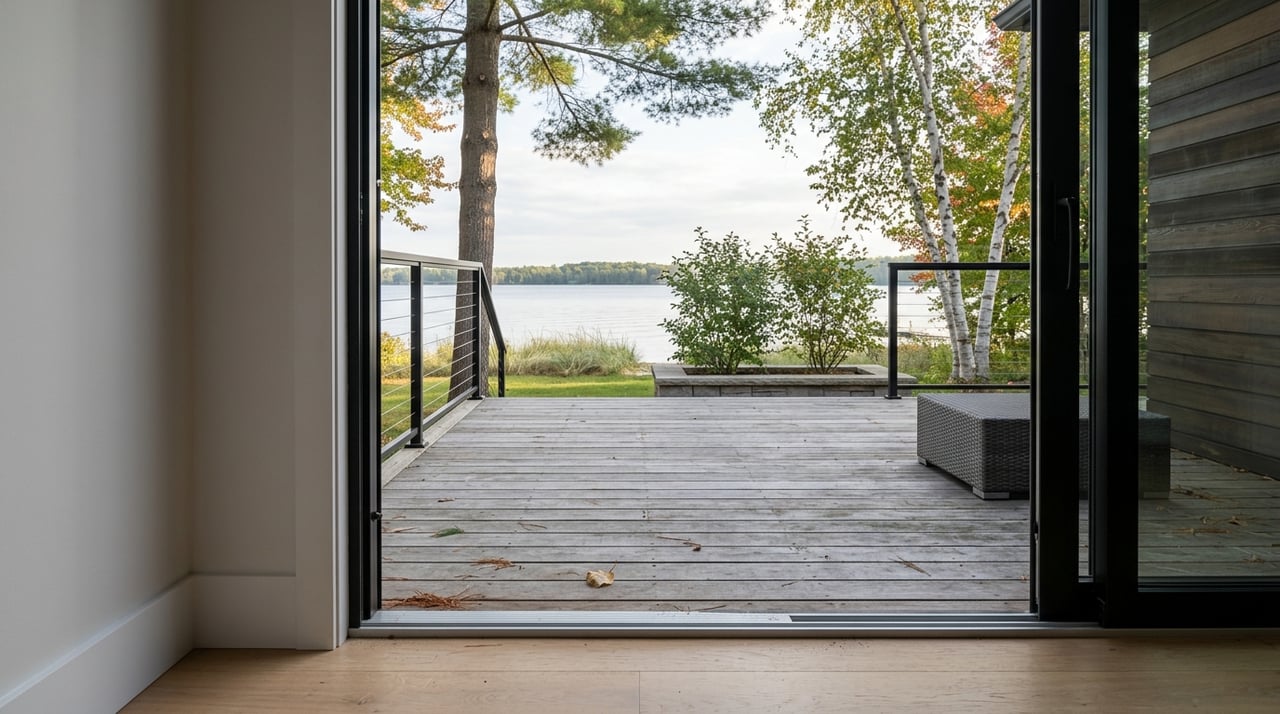
A Glen Arbor cottage can be beautiful and rewarding, but it also asks more of you outside the house. Wind, sand, moisture, and shoreline exposure all play a role in how a property lives over time.
Michigan Sea Grant notes that dune plants help anchor blowing sand, and NOAA says shorelines are naturally dynamic and erosion is an ongoing process. In practical terms, that means exterior projects and long-term maintenance should be approached with care, especially if your property is near dunes, the shoreline, or exposed open areas.
You may find yourself paying closer attention to decks, siding, windows, beach access paths, drainage, and storm prep than you would with an inland property. Boats and water gear also come with a stewardship side, since the National Park Service advises cleaning, draining, and drying boats and equipment to help reduce the spread of aquatic invasive species.
If your property sits in or near a critical dune area, planning gets even more important. Michigan EGLE says permits can be required for projects that disturb dunes, vegetation, septic systems, or soil-erosion controls.
Wells and Septic Matter More Than Buyers Expect
In rural Northern Michigan, utility expectations can look different from what some second-home buyers are used to. Many cottages rely on private wells and on-site septic systems, so those systems deserve close attention before you close.
The Benzie-Leelanau District Health Department evaluates building sites and issues permits for on-site sewage systems. Glen Arbor’s ordinance also states that the township cannot issue a land-use permit until the needed septic and water permits are in place.
That makes septic and water review a core part of due diligence, not a minor box to check. If you are buying an existing cottage, you will want to understand the system’s capacity, condition, and any limits that could affect future use.
This becomes especially important if you hope to renovate, expand, or change how the property is used. Even small future plans can depend on what the site and systems can support.
Rental Plans Need Parcel-Specific Review
A lot of buyers wonder whether a Glen Arbor cottage can also serve as a short-term rental. The key point is that this is not a one-size-fits-all answer.
According to the township ordinance, Glen Arbor is zoning-driven when it comes to use. The ordinance distinguishes ordinary single-family dwellings from resort-oriented lodging and rental-cottage uses, and it requires a land-use permit for a new or changed use.
If you are thinking about occasional hosting or rental income, do not assume the property will automatically fit that plan. You should verify the parcel’s zoning district, parking capacity, and septic capacity before moving forward.
This is one of the biggest reasons local guidance matters. A cottage that looks perfect online may have practical limitations that affect how you can use it.
What Daily Ownership Often Feels Like
At its best, owning a cottage in Glen Arbor feels like having a front-row seat to Northern Michigan’s changing seasons. You get access to lakes, trails, dunes, and a village that shifts throughout the year instead of staying the same all the time.
At the same time, ownership here usually comes with a little more planning than buyers first expect. Visitor pressure, seasonal traffic, weather swings, exterior upkeep, and property-specific zoning or septic questions are all part of the real picture.
That does not make cottage ownership less appealing. It simply means the most successful buyers go in with clear eyes, realistic expectations, and a good understanding of how a specific property fits their goals.
If you are considering a cottage in Glen Arbor, working with a team that understands Leelanau County’s seasonal patterns, parcel differences, and second-home realities can make the process much smoother. When you are ready to talk through locations, use goals, or property fit, connect with Team Shimek for a free consultation.
FAQs
What is it like to own a cottage in Glen Arbor year-round?
- Cottage ownership in Glen Arbor usually means a quiet shoulder season, a busy summer with more traffic and parking pressure, and active fall and winter recreation that keeps the area feeling seasonal rather than static.
What types of cottage properties are common in Glen Arbor?
- Glen Arbor cottages can range from simple seasonal second homes to properties in areas shaped by resort-oriented uses, depending on the parcel’s zoning district and location.
What should buyers check before buying a Glen Arbor cottage?
- You should closely review zoning, land-use requirements, water and septic permits, site conditions, and any future plans for renovation or rental use before closing.
Can you use a Glen Arbor cottage as a short-term rental?
- Possibly, but the answer depends on the parcel because the township ordinance distinguishes single-family use from resort-oriented lodging and rental-cottage uses, so zoning, parking, and septic capacity should all be verified.
What maintenance issues are common for Glen Arbor cottages?
- Common ownership concerns include sand, wind, moisture, changing shoreline conditions, storm prep, and added planning for exterior work near dunes, vegetation, or erosion-sensitive areas.