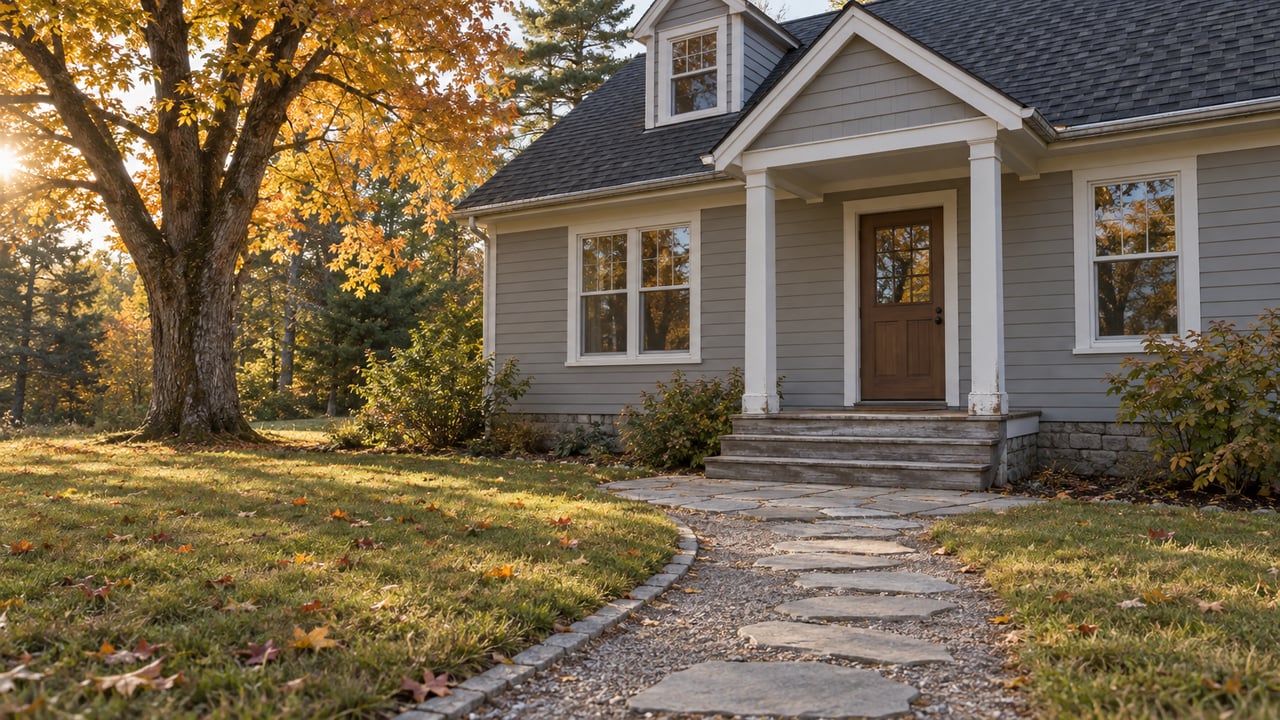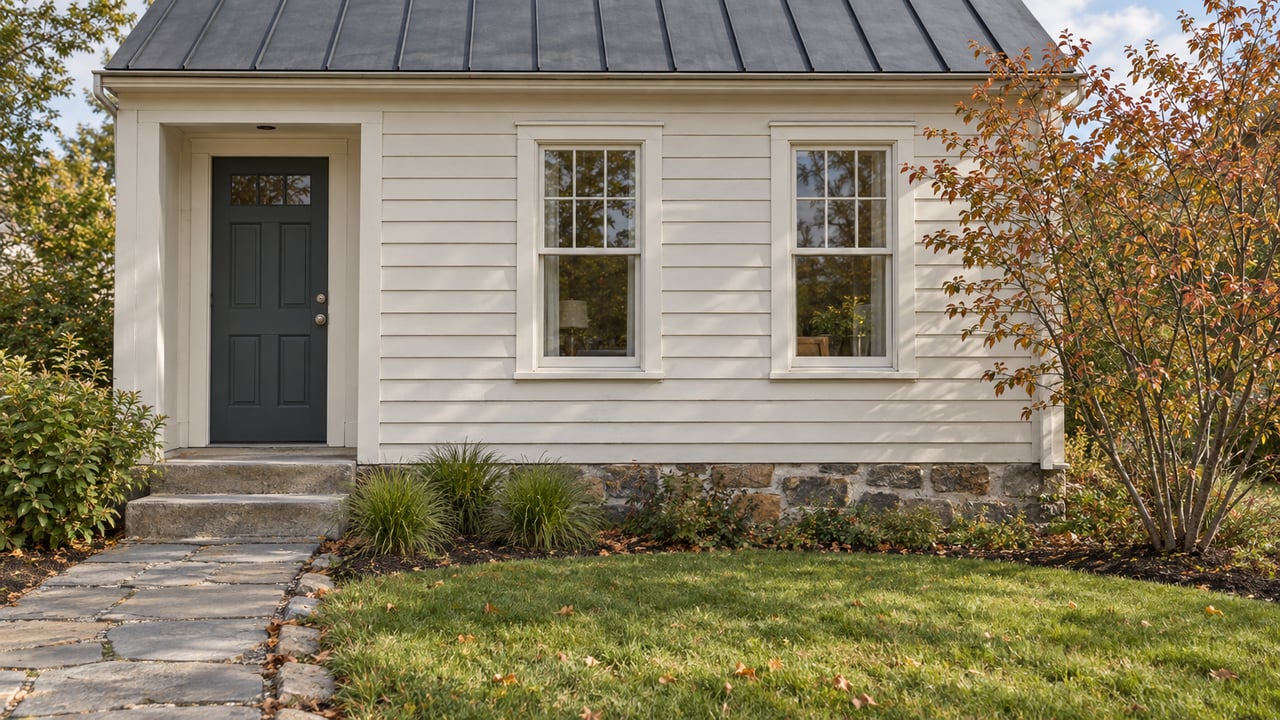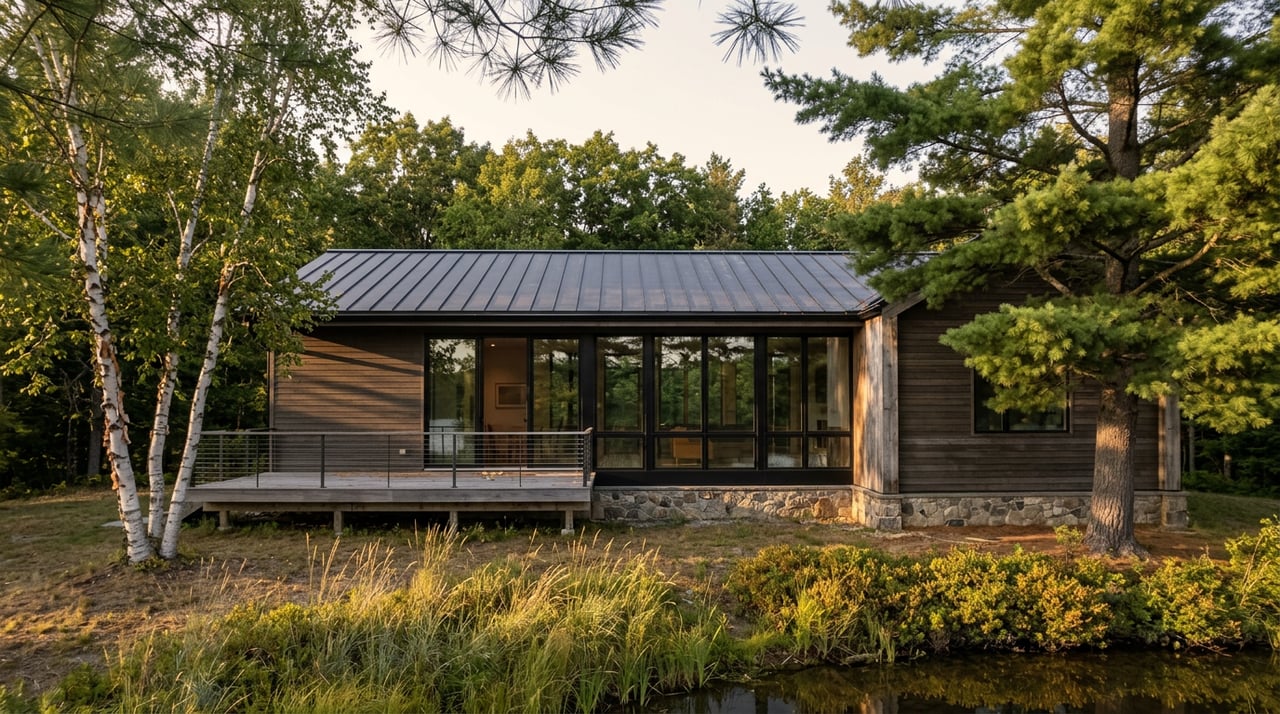
Dreaming about building in Leelanau County without paying waterfront prices? Maple City is one of the places where that goal can make real sense, but buying land here takes more than spotting a pretty parcel on a listing page. If you want to avoid costly surprises, you need to understand zoning, septic, wells, access, and permits before you close. Here’s what to know if you’re buying land and building in Maple City. Let’s dive in.
Why Maple City draws land buyers
Maple City sits within Kasson Township and functions as one of Leelanau County’s rural centers. County planning materials describe the center as a mixed-use commercial core, with surrounding areas generally residential or planned development. That mix helps explain why Maple City appeals to buyers who want an inland homesite with practical build potential.
For many buyers, the biggest draw is value. Recent public listing snapshots showed 49664 land listings ranging from about $159,900 for 5.55 acres to $360,000 for 11.59 acres, while Redfin reported a median land list price of $270,000. By comparison, Leelanau County waterfront listings average about $1.11 million, which puts Maple City in a very different price category.
That gap matters if you want space to build a custom home, room for an outbuilding, or simply more privacy without stepping into waterfront pricing. Maple City also gives you a practical base near Cedar, Glen Arbor, Leland, Suttons Bay, and Traverse City services. For many buyers, that balance of acreage and access is the sweet spot.
Why the cheapest land is not always the best deal
A lower list price can look attractive, but raw land value is tied to more than acreage. A parcel may be large and scenic, yet still be difficult or expensive to build on if the zoning does not fit your plan, the soils do not support septic, or road access is limited.
In Maple City, a truly good parcel is one that lines up with your intended use and has a realistic permit path. That means confirming setbacks, frontage, wastewater options, well feasibility, driveway access, and any site constraints early. In many cases, the better buy is the parcel with fewer unknowns.
Start with township and zoning
Before you make an offer, confirm the exact township and zoning district for the parcel. County planning materials place the Maple City census-designated place in Kasson Township, and Kasson Township requires a land use permit before construction or before placing a structure over 100 square feet.
That permit process is not just paperwork. The application calls for a scaled site plan showing lot lines, roads and rights-of-way, existing or proposed sewer and water, and any lakes, streams, or wetlands. If you cannot map out how the site will function, that is an early warning sign.
Kasson Township’s zoning ordinance organizes land into districts including Gravel, Agricultural, Forested, Village High Density, Commercial, and special-purpose or planned-development forms. In the Maple City area, commercial uses are generally expected along major roads, in commercial core areas, or near the edge of mixed-use areas. Uses outside those areas may need special land use approval.
Check lot size and frontage early
One of the fastest ways to rule a parcel in or out is to review the dimensional standards. In Kasson Township’s Village High Density standards, examples for single-family lots include:
- 2-acre parcels with 200 feet of frontage
- 20,000-square-foot lots with 100 feet of frontage
- 10,000-square-foot lots with 50 feet of frontage
Those numbers are worth checking before you fall in love with a property. A parcel can look buildable at first glance, but frontage or lot-size issues can limit what you can actually do.
If you are considering a village-style cluster or a small development concept, the standards become more detailed. Kasson Township requires a minimum project area of 20 acres, at least 25 percent open space, 25-foot front setbacks, and 10-foot side and rear setbacks where parcels abut other Village High Density parcels. Interconnecting streets are also required to improve circulation and emergency access.
Septic is a key buildability test
If the parcel does not have municipal wastewater service, the septic evaluation is one of the first major checkpoints. The Benzie-Leelanau District Health Department says a site survey or vacant land evaluation is the first step for vacant parcels without municipal wastewater service.
That review looks at soil type, permeability, slope, seasonal high-water table, separation distances, easements, rights-of-way, buried utilities, proposed land use, and nearby development. In plain terms, septic feasibility can determine whether the lot works at all.
The health department’s on-site sewage program also states that no building permit should be issued for a property requiring a sewage system before permission is obtained from the Health Officer. So if you are buying vacant land, septic is not a minor box to check later. It is one of the central pieces of the entire project.
Well planning matters too
Water service deserves the same early attention. The Benzie-Leelanau District Health Department evaluates proposed well locations and issues well construction permits for family dwellings and small businesses.
Final approval for a new well requires the well record, an on-site construction inspection, and water testing that includes coliform bacteria and nitrate. Registered well drillers must also follow Michigan’s Water Well Construction and Pump Installation Code and the district sanitary code. That means your water plan should be part of your due diligence, not an afterthought.
Road and driveway access can affect the whole project
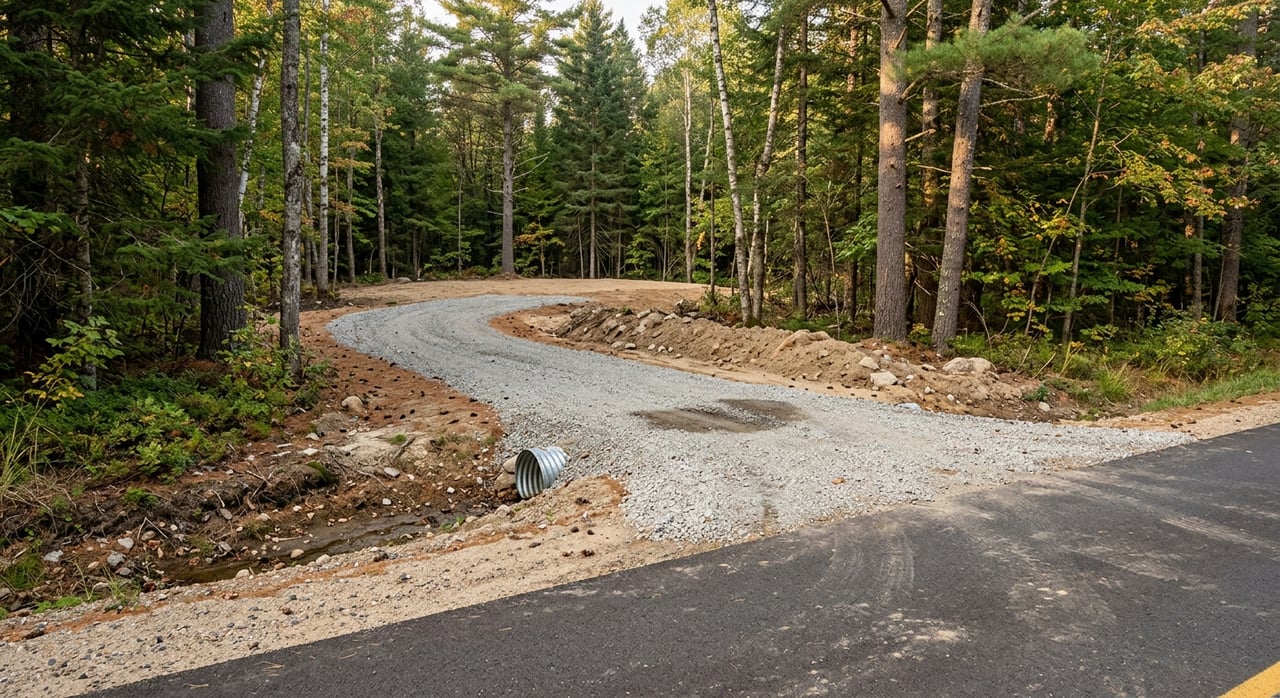
Access is another make-or-break issue for land in Maple City. The Leelanau County Road Commission requires driveway permits, distinguishes between public and private roads, and reviews land divisions for adequate sight distance and safe ingress and egress.
According to the Road Commission, driveway and land division permits generally take 7 to 10 business days. The commission also manages seasonal roads and seasonal weight restrictions, which can affect construction timing and logistics.
This is why road type matters so much. A parcel on a private road, a seasonal road, or with unclear legal access may need closer review before you move forward. It is far better to sort that out before closing than during permit season.
Soil erosion, wetlands, and site constraints
Even if a parcel has the right zoning and enough space, natural site conditions can still shape your timeline and costs. The Leelanau Conservation District says a Soil Erosion and Sedimentation Control permit is required in several cases, including commercial projects, work within 500 feet of a lake or stream, work within 100 feet of a regulated wetland, driveways with slopes of 10 percent or greater, projects disturbing one or more acres, and work in subdivisions.
Its guidance also notes that an EGLE permit may be needed for work below the ordinary high-water mark, in a stream or wetland, or in a Critical Dune Area. These issues do not necessarily stop a project, but they can change your design, budget, and schedule.
Wet areas, steep slopes, shallow water tables, and easements can also limit where you place a home, septic field, driveway, or accessory structure. That is why larger acreage does not automatically equal easier buildability.
A practical order of operations
Buying land feels much more manageable when you follow the local sequence. In Maple City, a smart process usually looks like this:
- Confirm the parcel’s township and zoning district.
- Review lot size, frontage, and district standards.
- Order a vacant land or septic site evaluation if no municipal wastewater service is available.
- Confirm the well permit path and likely well location.
- Review road frontage, legal access, and driveway permit needs.
- Check for wetlands, erosion-control triggers, and other site constraints.
- Apply for the building permit only after the other required approvals are in place.
Leelanau County Building Safety specifically says not to apply for a building permit until the other required permits have been obtained. Depending on the project, the building permit package can include proof of ownership, address confirmation, a soil erosion permit if applicable, a health department permit, a driveway permit, a land use permit, state energy code documentation, and construction plans.
Build your team early
A successful land purchase in Maple City usually involves more than just finding the right listing. You may need coordination among the zoning administrator, Building Safety, the health department, the Road Commission, and the Conservation District.
It also helps to connect with local professionals early. The health department maintains contractor lists for septic installation and repair and for water well drilling, which is a good reminder that your builder and site professionals should be part of the conversation before closing, not after.
For buyers, that early coordination can reduce surprises and help you compare parcels more clearly. For sellers or landowners, it can also help position a parcel more effectively by identifying the details serious buyers will ask about.
Why local guidance matters in Maple City
Maple City can be a strong option if you want to build in Leelanau County while staying more budget-conscious than a waterfront purchase. But vacant land deals often turn on details that are easy to miss when you are looking only at acreage, price, and photos.
When you understand the local permit path and evaluate each parcel through a buildability lens, you can shop with much more confidence. That is especially important in a market where location, road access, septic feasibility, and water planning can shape the real value of the land.
If you are thinking about buying land, comparing build sites, or preparing a parcel for sale in Maple City, working with a team that understands Leelanau County’s land process can save time and help you make a more informed decision. Reach out to Team Shimek to schedule a free consultation.
FAQs
What should you check before buying land in Maple City?
- You should confirm zoning, lot size, frontage, septic feasibility, well planning, road access, driveway permit needs, and any wetland or soil-erosion constraints before closing.
Do you need a septic evaluation for vacant land in Maple City?
- Yes, if the parcel does not have municipal wastewater service, the Benzie-Leelanau District Health Department treats a site survey or vacant land evaluation as the first step.
Can you build on any vacant lot in Maple City?
- No, a lot may still face limits related to zoning, setbacks, frontage, septic suitability, water supply, driveway access, or other site conditions.
Does road type matter when buying land in Maple City?
- Yes, the Leelanau County Road Commission distinguishes between public and private roads and also manages seasonal roads and weight restrictions, which can affect access and construction planning.
When should you apply for a building permit in Leelanau County?
- You should apply only after the other required permits and approvals are in place, since Leelanau County Building Safety says those items need to be obtained first.